
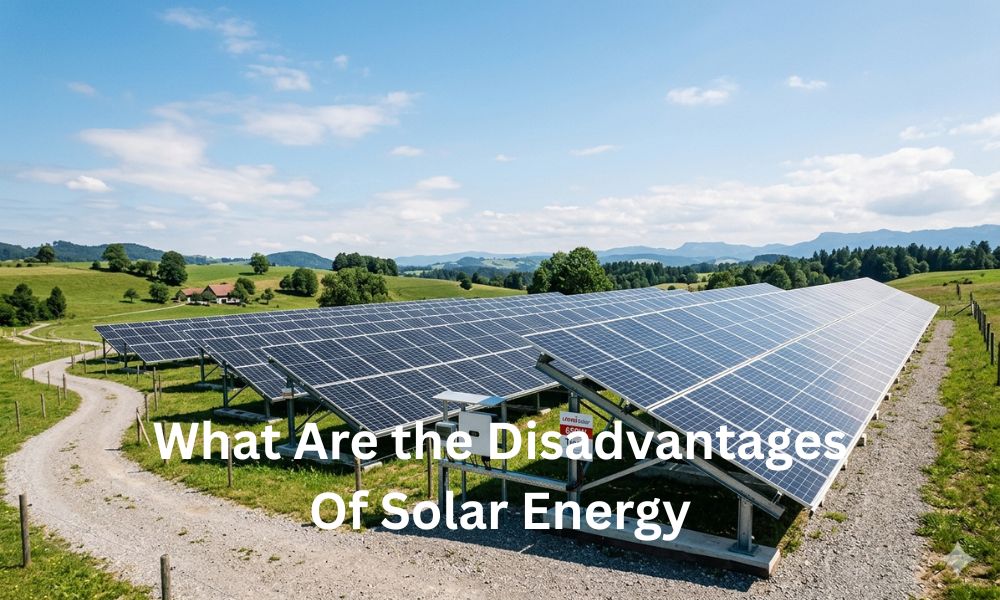
There are also some Disadvantages Of Solar Energy in our daily lives. The main disadvantage is that its initial installation costs are very high, about 10,000$ to 15,000$ much higher. The second disadvantage is that these solar panels are unable to generate electricity at night. So at night, we need to shift to grid electricity, which is not cheap or free at all.
The other disadvantage is that the weather and cloudy days reduce output by about 90%, and during this time, we need to shift to grid electricity. These solar panels also require a Lot of Roof Space to install, and they cover all the roof, so during winter we are unable to get sunlight.
It is also important to note that Solar Energy Storage is expensive because we need batteries to store energy for night backup. The lithium batteries that are best for energy storage are very costly in the world. Solar Panels Need Regular Cleaning and Maintenance to Generate Maximum Electricity.
It is also informative news that poor installation can cause serious problems. Loose wiring can create fire hazards. Wrong solar panel angles reduce energy output. Solar Panels Degrade Over Time, and after about 10 to 15 years, we need more solar panels for our energy needs.
The production of silicon-based solar cells requires extremely high temperatures, which are typically achieved using fossil fuel energy. It is also informative that adding solar panels, a grid-tie inverter, a battery storage system, and a smart energy monitor transforms your home into a mini power plant that you are responsible for managing.
1. High Initial Solar Panel Installation Cost
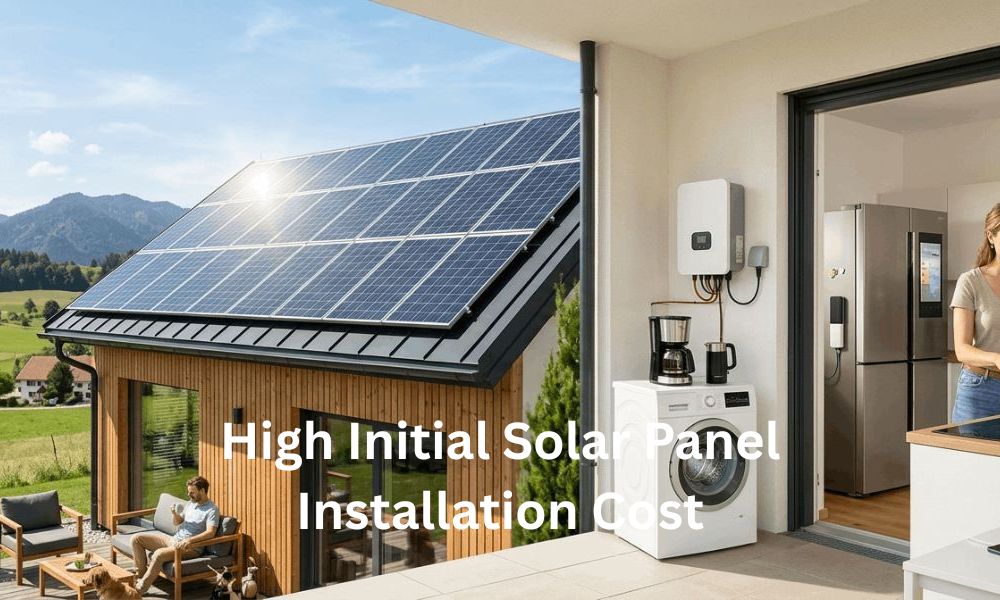
In the USA, the same system runs anywhere from $10,000 to $18,000 before tax credits. In the UK, expect to pay between £6,000 and £10,000 for a similar setup in 2026.
A basic 5kW solar system in Pakistan costs between PKR 700,000 and PKR 1,200,000, depending on the brand, solar panel type, battery, wires, frames, and inverter quality in 2026.
That is a serious upfront investment. And it does not stop there.
What the Installation Cost Actually Includes
When you see a solar quote, here is what you are usually paying for:
| Component | Cost Contribution |
|---|---|
| Solar Panels (N-Type or P-Type) | 40–50% of total cost |
| Inverter (Hybrid, On-Grid, or Off-Grid) | 15–25% |
| Mounting Structure | 5–10% |
| Wiring and AC/DC Breakers | 5–8% |
| Battery Bank (if off-grid) | 20–40% extra |
| Labor and Installation | 10–15% |
| Net Metering Application (Pakistan) | PKR 30,000–80,000 extra |
My personal experience: Many households in lower-income areas simply cannot afford this. Even with government subsidies and solar loan schemes, the barrier is high.
How Long Does It Take to Break Even?
The payback period depends on your electricity tariff, sun hours, and system size. On average:
- Pakistan: 4 to 7 years (varies by DISCO region and load shedding hours)
- USA: 6 to 10 years (longer in low-sunshine states like Alaska or Washington)
- UK: 9 to 14 years (short daylight hours slow the return significantly)
Until you hit that break-even point, you are still paying for a system that is not yet profitable.
2. Solar Energy Depends on Sunlight and Weather
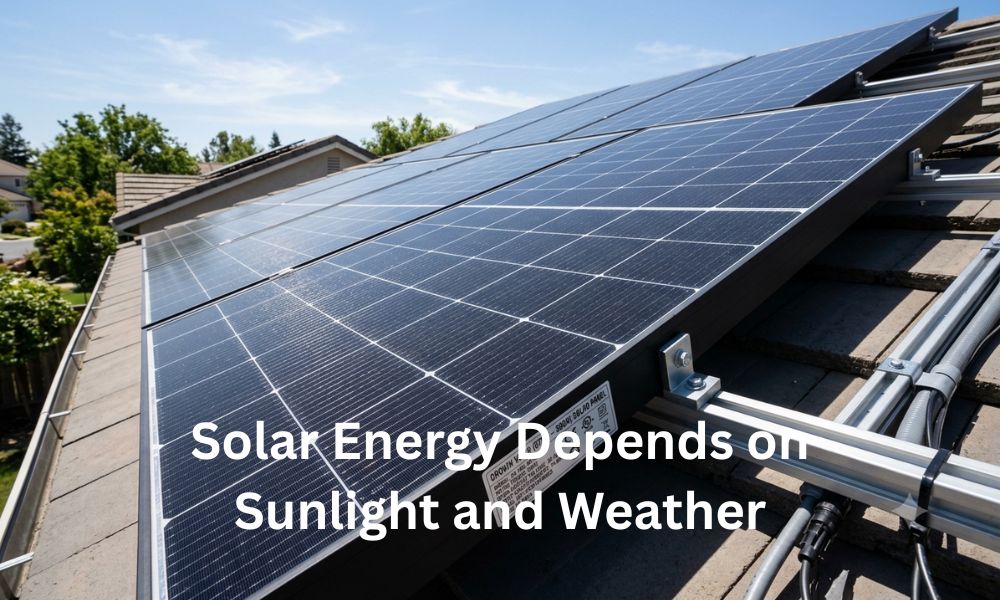
This seems obvious. But people consistently underestimate how much this limitation actually affects their daily energy production.
My pro tip: Solar panels produce electricity using photons from the sun. No sun, no electricity. It is that simple.
What Reduces Solar Output
Cloudy Days: On a heavily overcast day, solar panels can lose 70 to 90 percent of their normal output, which means no electricity when it rains. A 5kW system producing 25 units (kWh) on a clear sunny day might only produce 3 to 6 units under thick cloud cover nowadays.
Rain and Storms: While rain actually cleans the solar panels automatically (a small benefit), it also means near-zero power generation during the storm itself.
Winter Months: Days are shorter in winter. In the UK, December daylight can be as short as 7 to 8 hours. In Canada or northern USA states, it can be even less. This drastically cuts annual output.
Dust and Smog: In cities like Lahore, Karachi, or Delhi, heavy smog and dust are a serious problem. Panels sitting in smog for weeks can lose 20 to 40 percent efficiency. This is why solar panel cleaning has become a growing industry in South Asia.
Heat Paradox Here is something that surprises people: Solar panels work less efficiently in extreme heat. Panel efficiency drops roughly 0.3 to 0.5 percent for every degree Celsius above 25°C.
My personal experience: In Pakistan, during June and July, temperatures regularly hit 42–48°C. This means peak summer, when you need the most electricity for air conditioning, is not actually peak solar efficiency.
Night Time: Zero Generation
It is the most important factor that Solar panels produce zero electricity at night because there is no sunlight. This sounds obvious, but consider what it means in practice: if you do not have battery storage, you are back on the grid or in the dark after sunset.
My pro tip: For countries with long evenings of high electricity usage (fans, lights, TVs, cooking), this is a major problem.
3. Battery Storage is Expensive Nowadays
The answer to nighttime and cloudy-day problems is battery storage. But battery storage comes with its own price tag, a heavy one. Here, we will discuss the latest rates for 2026.
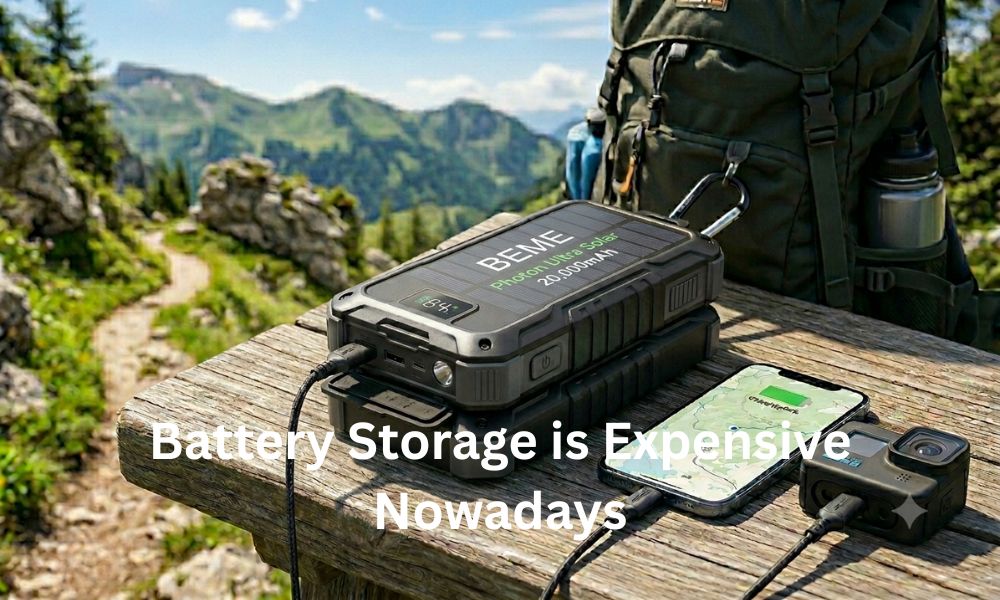
What Battery Storage Costs in 2026
| Battery Type | Capacity | Verified Cost (USD) | Verified Cost (PKR) |
|---|---|---|---|
| Lead Acid (Tubular) | 200Ah / 2.4kWh | $300–$500 | PKR 85,000–140,000 |
| Lithium Iron Phosphate (LiFePO4) | 5kWh | $1,500–$2,500 | PKR 420,000–700,000 |
| Lithium Iron Phosphate (LiFePO4) | 10kWh | $3,000–$5,000 | PKR 840,000–1,400,000 |
| Tesla Powerwall 3 (13.5kWh) | 13.5kWh | ~$11,500 installed | Not widely available in Pakistan |
For a typical household wanting to cover evening hours off-battery, you need at least 5 to 10kWh of storage. That doubles or triples your total system cost.
Battery Lifespan Is a Hidden Cost
It is also very informative news that these Batteries do not last forever in the world nowadays. There are two types of batteries that are used to store energy in the world.
- Lead acid batteries: 3 to 4 years under daily cycling
- Lithium LiFePO4 batteries: 10 to 15 years
My pro tip: When your battery bank dies, you need to replace it every 5 to 10 years. That means a second major investment mid-system life. Many people forget to factor this into their solar ROI calculations.
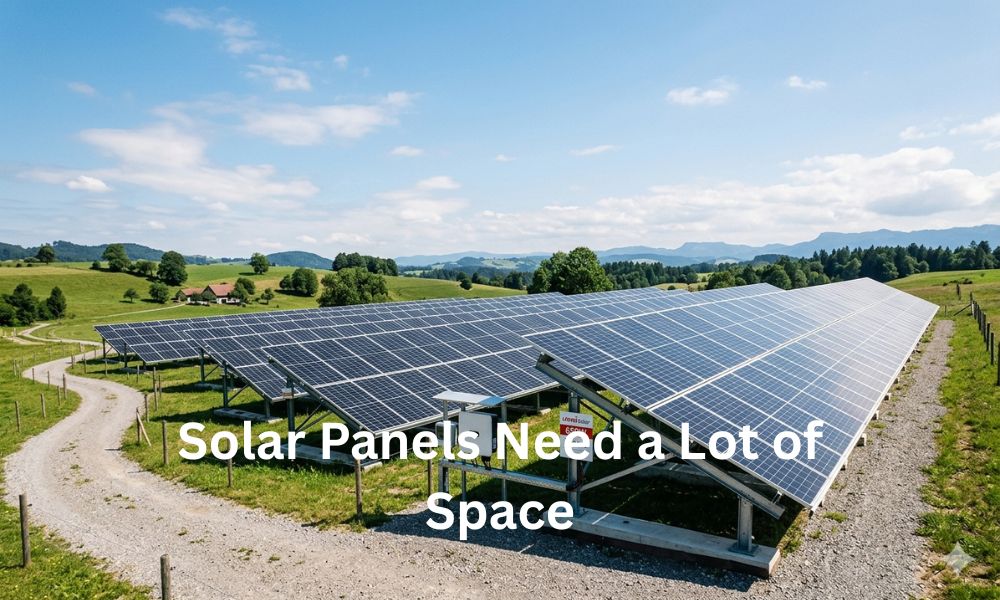
4. Solar Panels Need a Lot of Space
It is also important to note that Solar energy is not space-neutral in the world. To generate meaningful power, you need a meaningful surface area.
How Much Space Does a Solar System Need?
A standard 400W to 600W solar panel today measures roughly 2.1m x 1.1m, about 2.3 square meters per panel. Here is what that means for common system sizes:
| System Size | 540W Solar panels | Roof Space Required |
|---|---|---|
| 3kW | 6 panels | ~14 square meters |
| 5kW | 10 panels | ~23 square meters |
| 10kW | 19 panels | ~44 square meters |
| 20kW | 37 panels | ~85 square meters |
My personal experience: For urban homes with small rooftops, think a 5 marla house in Lahore or a terraced house in Manchester, fitting 10 to 20 panels can be genuinely difficult.
Shading Is a Major Problem
Panels need to face the right direction and avoid shade. A single tree branch or a neighbour’s wall casting a shadow on even one panel in a string configuration can reduce the output of the entire string.
Modern micro-inverters and DC optimizers partially solve this, but they add cost.
Ground-Mounted Systems Eat Land
It is also an important thing that for agricultural or commercial solar, the land requirement is enormous. A 1MW solar farm needs approximately 1.5 to 2 acres of flat, obstacle-free land.
My personal experience: In densely populated countries like Pakistan or Bangladesh, this competes directly with farmland, a food security concern that is only beginning to receive serious attention.
5. Old Solar Panels Create an Environmental Problem
This is the disadvantage that the solar industry does not like to talk about. But it is becoming harder to ignore.
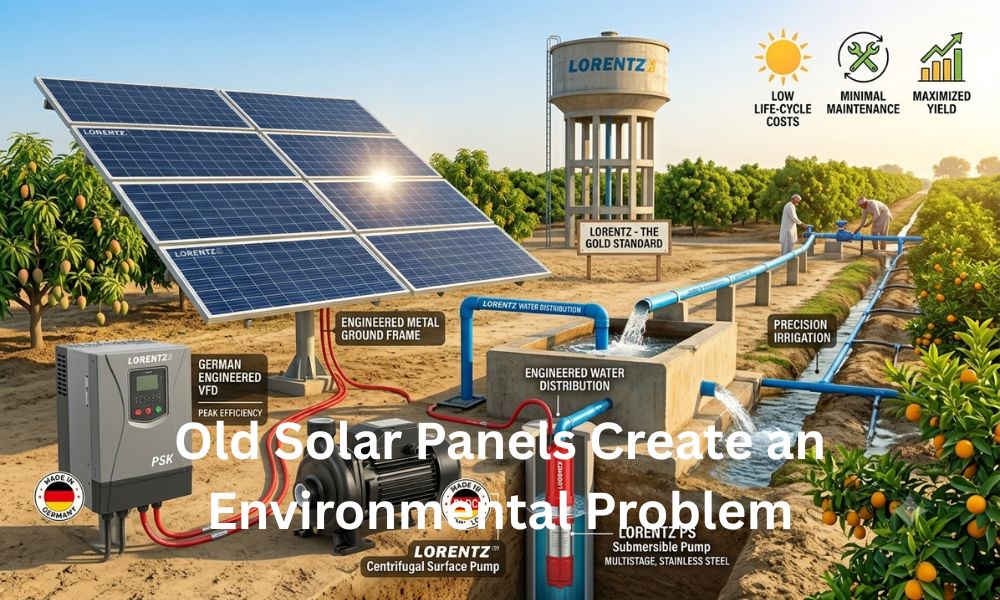
Solar panels are marketed as a green technology. And in terms of carbon emissions during operation, they absolutely are. But what happens at the end of life?
The Solar Panel Waste Problem
A standard solar panel has a lifespan of 25 to 30 years. The first wave of panels installed in the 2000s is now beginning to reach the end of its life globally.
The problem is scale. According to the International Renewable Energy Agency (IRENA), global solar panel waste could reach 78 million metric tonnes by 2050.
What Is Inside a Solar Panel
It is also informative news that Solar panels contain valuable, and sometimes hazardous, materials:
- Silicon (semiconductor, relatively safe)
- Silver (electrical contacts, valuable)
- Aluminium (frame, recyclable)
- Lead (older panels, toxic)
- Cadmium (thin-film CdTe panels, highly toxic)
- Selenium (some thin-film panels, toxic)
My personal experience: When solar panels end up in landfills, which most currently do, because recycling is expensive and not yet mandatory in most countries, these materials can leach into soil and groundwater.
Recycling Infrastructure Is Not Ready
It is also important to note that Solar panel recycling exists, but it is expensive and not widely available. In Europe, the WEEE Directive requires manufacturers to fund panel take-back.
In the USA, only a handful of companies recycle solar panels at scale. In Pakistan, there is currently no regulated solar panel recycling framework at all.
My pro tip: This means millions of panels installed today will likely end up in informal waste streams in 25 years, a problem being deferred rather than solved.
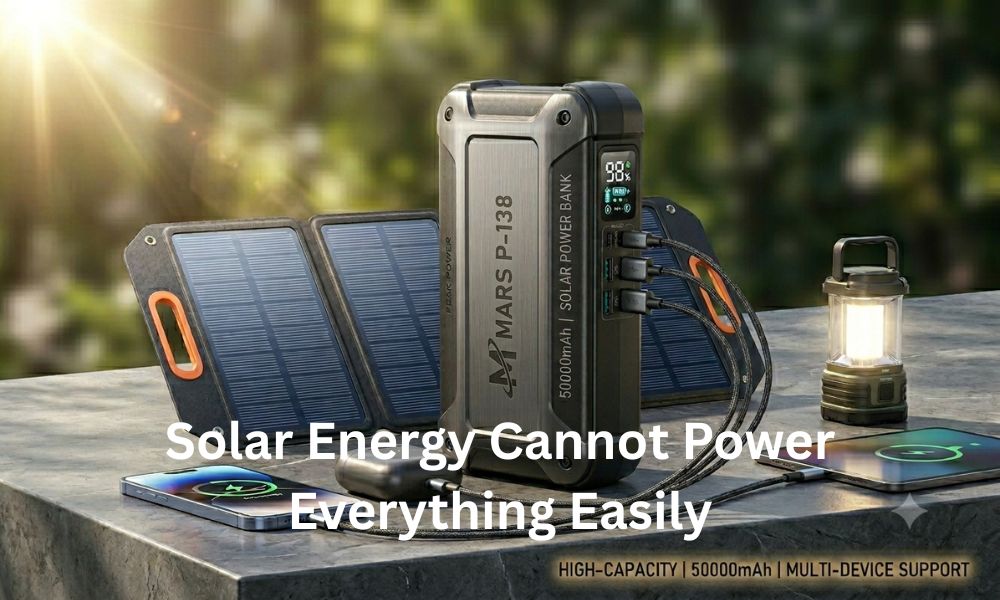
6. Solar Energy Cannot Power Everything Easily
People sometimes imagine that once you install solar, you are completely energy independent. The reality is more complicated.
High-Load Appliances Are Difficult
Some appliances require enormous power that even a large solar system struggles to support during peak demand:
| Appliance | Approximate Load | Challenge for Solar |
|---|---|---|
| Central Air Conditioner (3 ton) | 3,500–4,000W | Requires a large inverter + panels |
| Electric Oven | 2,000–5,000W | Often not solar-compatible without large system |
| Electric Geyser | 2,000–3,000W | Very high load, better replaced with solar water heater |
| EV Charger (Level 2) | 7,000–11,000W | Needs dedicated solar + battery system |
| Electric Arc Welder | 5,000–15,000W | Extremely difficult for home solar systems |
Three-Phase Industrial Loads
Many factories and commercial buildings run on three-phase electricity. Most home solar systems are single-phase. Converting or installing a three-phase solar system is significantly more expensive.
Grid Dependency Remains
Even with a solar system, most homes remain connected to the grid. A power outage on the grid side shuts down most on-grid solar systems automatically, by law, to protect utility workers from backfeed.
My pro tip: Without a hybrid inverter and battery, your solar panels do nothing during a blackout.
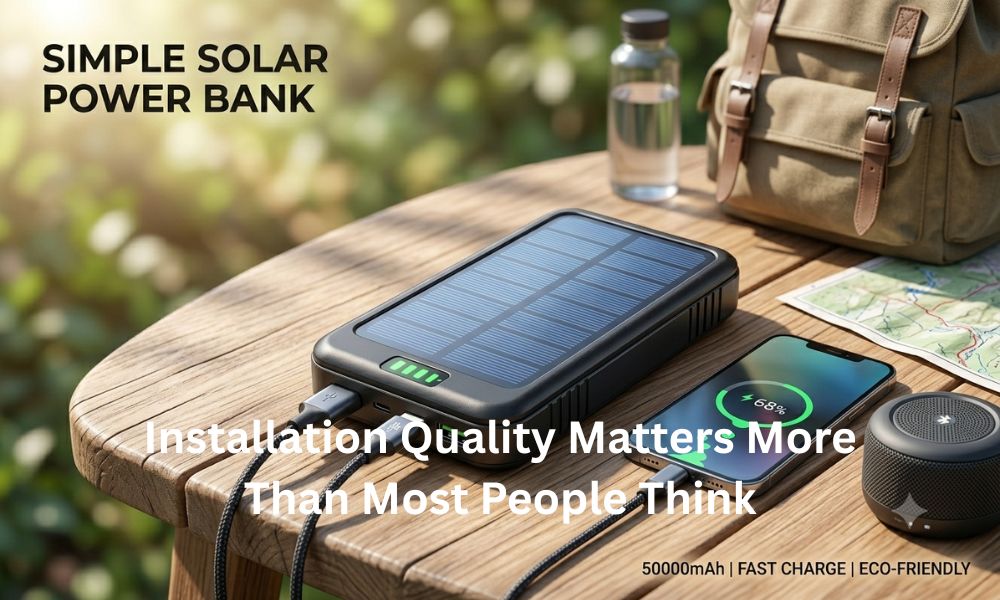
7. Installation Quality Matters More Than Most People Think
Solar energy is only as good as the people who install it. Poor installation is one of the most common and least discussed disadvantages of going solar.
Common Installation Mistakes
Wrong Panel Orientation. In the northern hemisphere, panels must face south (or south-southeast) for maximum output. In Pakistan, optimal tilt angles vary by city — Lahore, Islamabad, and Karachi each have different ideal angles. Incorrect orientation can cost 15 to 30 percent of annual output.
Poor Wiring and Connectors: Low-quality MC4 connectors and undersized DC wiring are a fire risk. Solar DC systems carry high voltage — up to 600V or 1000V in large systems. Faulty connections cause fires, system failures, and, in worst cases, fatalities.
Undersized Inverters Installers sometimes cut costs by installing an inverter smaller than the total panel wattage. This clips your output during peak sun hours.
No Earthing (Grounding) Proper earthing is legally required and safety-critical. Many informal solar installers in developing markets skip this step.
No Surge Protection Without proper surge protection devices (SPDs), a single lightning strike can destroy an entire solar system worth hundreds of thousands of rupees.
8. Net Metering Has Limits in Pakistan 2026
Net metering allows you to sell excess solar electricity back to the grid — a key financial benefit that many solar buyers rely on in their return-on-investment calculations. But net metering is not unlimited or guaranteed.
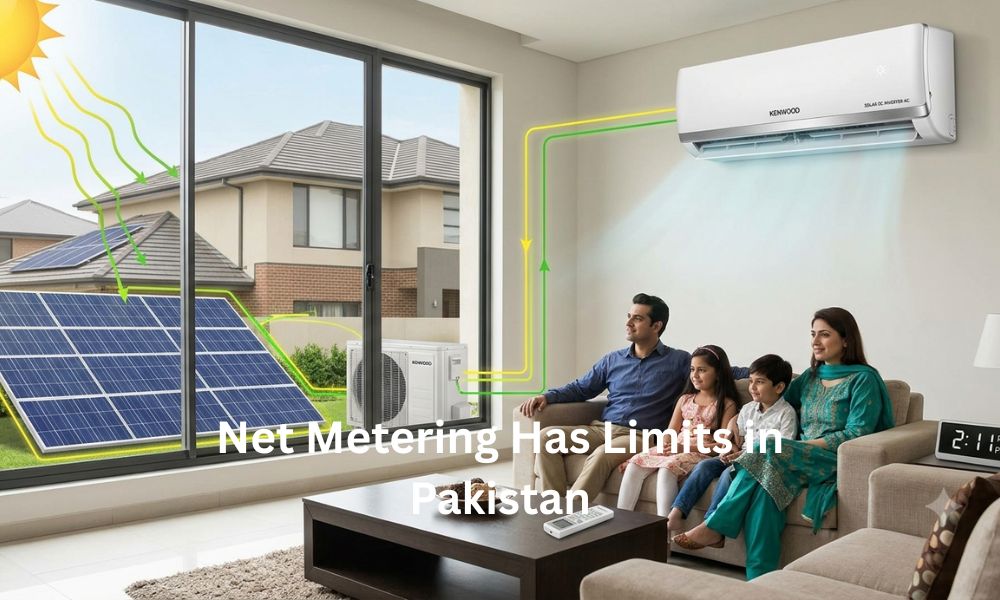
Net Metering Limitations by Region
Pakistan (NEPRA) Net metering in Pakistan was introduced under NEPRA’s 2015 regulations. As of 2025, net metering is available from 1kW to 1MW systems. However:
- Many DISCOs (LESCO, MEPCO, IESCO, etc.) have slow and bureaucratic application processes
- Some applicants wait 6 to 18 months for approval
- NEPRA has periodically discussed reducing net metering rates, which creates uncertainty for long-term ROI
- Green meter (bidirectional meter) installation costs PKR 25,000–75,000, depending on DISCO
USA Net metering policies vary by state. Some states, like California, have already moved from traditional net metering (NEM 2.0) to a less favorable structure (NEM 3.0), which significantly reduced the financial benefit of residential solar for new applicants.
The UK’s Smart Export Guarantee (SEG) requires energy suppliers to pay for exported electricity, but the rates are set by suppliers, not the government.
Rates in 2026 range from just 3p to 15p per kWh, which is substantially lower than what you import electricity at (30p+ per kWh in many tariffs).
Grid Changes Can Eliminate the Benefit
Net metering is a policy, not a permanent right. Governments can — and do — change the rules. Investments made based on current net metering rates carry regulatory risk that is difficult to predict.
9. Solar System Maintenance Is a Real Commitment
It is also important to note that Solar panels are often sold as “set it and forget it” technology. This is only partially true.
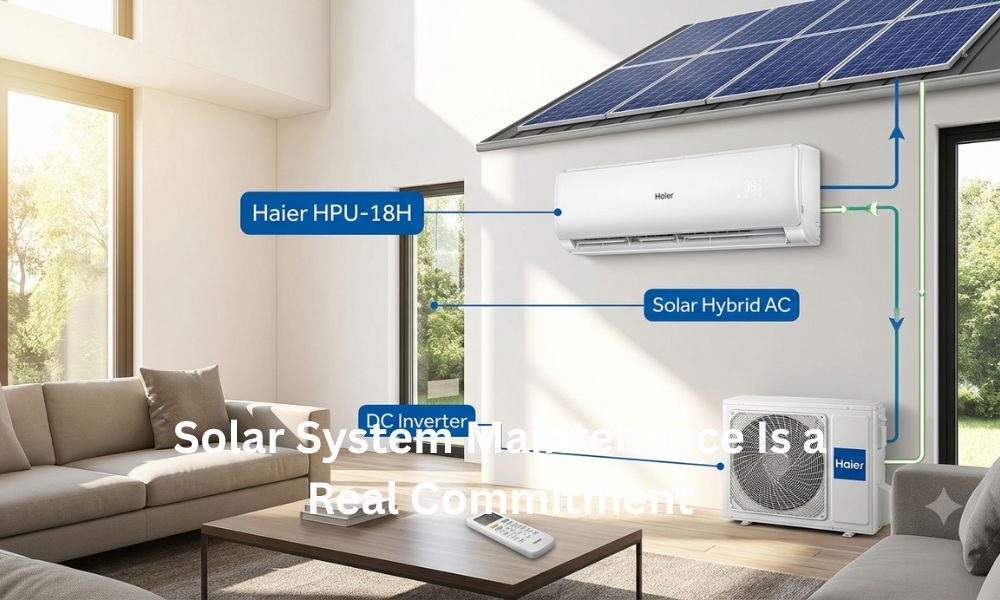
What Maintenance Solar Actually Requires
Panel Cleaning In dusty environments (most of Pakistan, the Middle East, parts of India), panels need cleaning every 2 to 4 weeks during summer. A 10kW system with 20 panels takes 30 to 90 minutes to clean manually.
My personal experience: Professional cleaning services charge PKR 3,000–8,000 per visit. Robotic panel cleaners exist but cost PKR 200,000–500,000.
Inverter Servicing. There are also Inverters are the component most likely to fail in a solar system. String inverters typically last 8 to 12 years, meaning one replacement during a 25-year panel lifespan.
My pro tip: Hybrid inverter replacement costs PKR 80,000–250,000 depending on brand and capacity.
Battery Maintenance (Lead Acid) Tubular lead acid batteries require monthly water top-up, terminal cleaning, and equalisation charges. Neglect reduces their lifespan significantly.
Structural Inspection Mounting structures must be checked annually for corrosion, loose bolts, and frame damage — especially in coastal areas or regions with heavy monsoon rains.
System Monitoring Modern inverters offer Wi-Fi monitoring via apps. But someone needs to actually check the data regularly. Underperforming strings, failing panels, or loose connections are not always obvious without monitoring.
10. Solar Energy Production Drops Over Time
It is also important to note that Solar panels degrade every year. It is a physical reality of photovoltaic technology.
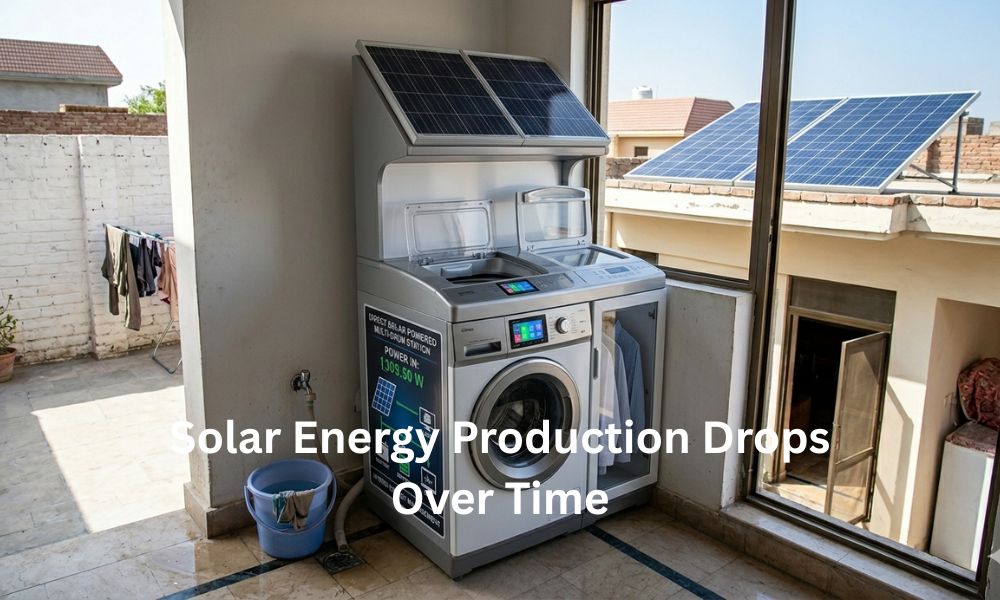
Standard Panel Degradation Rates
Most premium solar panels carry a 25-year linear power output warranty with the following typical degradation rates:
| Year | Output (% of Original) |
|---|---|
| Year 1 | 98% (initial degradation) |
| Year 5 | 95–97% |
| Year 10 | 92–94% |
| Year 15 | 89–91% |
| Year 20 | 86–88% |
| Year 25 | 80–84% |
It is informative news that N-Type panels (TOPCon, HJT) degrade more slowly than older P-Type PERC panels, typically 0.4% per year vs 0.5–0.7% per year.
Important Notice: This means the system that produces 25 units per day in Year 1 will produce roughly 20 to 21 units per day in Year 25.
Micro-Cracks and Physical Damage
Hailstorms, falling tree branches, birds pecking at panels, and thermal cycling (heating and cooling daily) can cause micro-cracks in solar cells. These are often invisible to the naked eye but reduce output. Only electroluminescence (EL) imaging can detect them — a tool most homeowners do not have access to.
FAQs
Q: Is solar energy worth it despite the disadvantages?
A: For most homeowners in high-sunshine regions (Pakistan, India, the Middle East, the southern USA, Australia), yes. The financial and energy independence benefits usually outweigh the drawbacks over a 10 to 15-year horizon. But in low-sunshine regions like northern UK, Scotland, or Scandinavia, the calculation is much tighter.
Q: What is the biggest disadvantage of solar energy?
A: The high upfront cost remains the single biggest barrier for most families. The combination of installation cost + battery storage cost puts full energy independence out of reach for low-income households without financial assistance.
Q: Can solar panels work during load shedding in Pakistan?
A: Only if you have a hybrid inverter with battery storage, or an off-grid system. Standard on-grid systems shut down during load shedding for safety reasons.
Q: How long do solar panels last?
A: Most quality panels carry a 25 to 30-year power output warranty. Physically, they can last 30 to 40 years, though output declines progressively.
Q: Are solar panels bad for the environment?
A: During their operational life, no, they produce clean electricity. The growing concern is end-of-life disposal. Panels contain hazardous materials, and recycling infrastructure is not yet adequate globally.
Q: What happens to solar panels at night?
A: They produce zero electricity. You either draw from batteries (if installed), use grid power, or have no power (if fully off-grid without batteries).
Q: Do solar panels need maintenance?
A: Yes. Regular cleaning, inverter monitoring, battery maintenance (for lead acid), and annual structural checks are necessary for optimal performance.
Q: Is battery storage necessary with solar?
A: Not always. If your grid is reliable and net metering is available, on-grid solar without batteries makes financial sense. But for areas with frequent power cuts, like most of Pakistan, battery storage significantly improves the value of the system.
Final Thoughts
There are also some Disadvantages Of Solar Energy in our daily lives. The main disadvantage is that its initial installation costs are very high, about 10,000$ to 15,000$ much higher. The second disadvantage is that these solar panels are unable to generate electricity at night. So at night, we need to shift to grid electricity, which is not cheap or free at all.
The other disadvantage is that the weather and cloudy days reduce output by about 90%, and during this time, we need to shift to grid electricity. These solar panels also require a Lot of Roof Space to install, and they cover all the roof, so during winter we are unable to get sunlight.
It is also important to note that Solar Energy Storage is expensive because we need batteries to store energy for night backup. The lithium batteries that are best for energy storage are very costly in the world. Solar Panels Need Regular Cleaning and Maintenance to generate maximum electricity.
It is also informative news that poor installation can cause serious problems. Loose wiring can create fire hazards. Wrong panel angles reduce energy output. Solar Panels Degrade Over Time, and after about 10 to 15 years, we need more solar panels for our energy needs.

I am Muhammad SHAHID, and my education is a Master’s in IT at GCUF. Muhammad Shahid is a passionate solar energy researcher, writer, and renewable energy enthusiast with years of experience in the solar industry.